Insect bites are a common household concern, particularly during warmer months or in environments that naturally attract pests. While many bites cause only temporary discomfort, others may lead to allergic reactions, skin infections, or more serious health complications. Preventing insect bites at home supports everyday comfort and plays an important role in protecting household health.
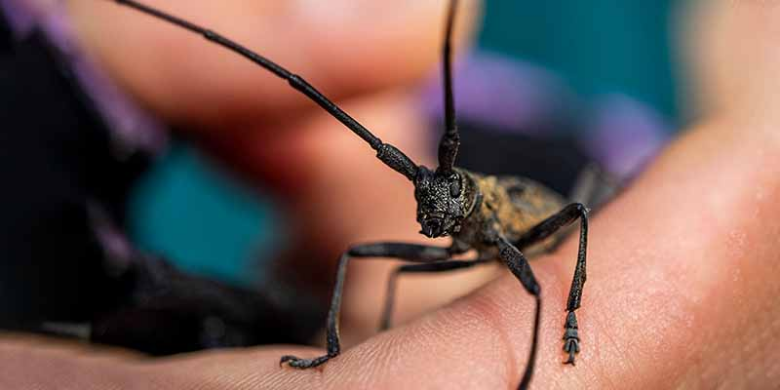
Home pest safety begins with understanding why insects enter living spaces and how everyday habits influence their presence. Many insect-related issues develop gradually, often unnoticed until bites become frequent or disruptive. By addressing environmental factors early and maintaining preventive routines, households can reduce exposure and lower insect bite health risks.
Common Household Insects and Health Risks
A wide range of insects may enter homes and cause bites or stings. Mosquitoes, ants, spiders, fleas, bed bugs, and flies are among the most common. Each presents different risks depending on the insect, the individual’s sensitivity, and the circumstances of exposure.
Some bites cause mild itching or redness that resolves on its own. Others may trigger allergic reactions, swelling, or infection if the skin becomes broken through scratching. Certain insects may also carry bacteria or parasites, increasing insect bite health risks beyond immediate irritation. Understanding these differences helps households respond appropriately and prioritize prevention.
Why Insects Enter Living Spaces
Insects are primarily driven by survival needs, including access to food, water, and shelter. Homes often provide all three, making them attractive environments. Crumbs, spills, open food containers, and trash provide easy food sources. Moisture from leaks, standing water, or humidity creates ideal breeding conditions for many insects.
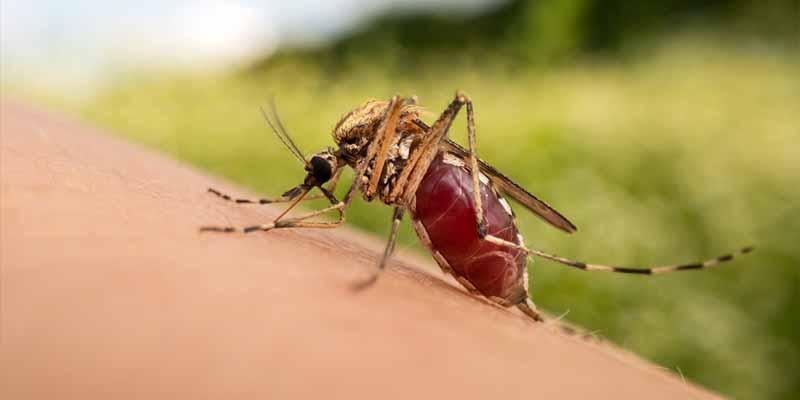
Structural features also influence insect entry. Small gaps around doors, windows, pipes, or vents can allow insects to enter unnoticed. Over time, even minor openings can lead to repeated exposure. Recognizing these entry points helps shift prevention efforts toward long-term solutions rather than short-term fixes.
Reducing Attractants Inside the Home
Preventing insect bites starts with limiting the factors that draw insects indoors. Consistent cleaning routines reduce food residue that attracts pests. Wiping down counters, sweeping floors, and storing food in sealed containers limit access to nourishment.
Managing waste also supports home pest safety. Taking out trash regularly, using covered bins, and cleaning recycling containers reduce odors that attract insects. Pet food should be stored securely and not left out overnight. These practices help prevent insect presence without relying solely on chemical controls.
Managing Moisture and Humidity
Moisture is a key factor in insect activity. Many insects thrive in damp environments, making moisture control essential for prevention. Leaky pipes, clogged drains, and condensation around windows or appliances can create conditions that attract pests.
Using exhaust fans in kitchens and bathrooms helps reduce humidity. Dehumidifiers may be useful in basements or other damp areas. Promptly fixing leaks and drying wet surfaces limits environments where insects breed. Managing moisture supports both home pest safety and overall indoor air quality.
Sealing Entry Points and Creating Barriers
Physical barriers are one of the most effective methods for preventing insect bites at home. Sealing cracks, repairing damaged screens, and installing door sweeps reduce common entry routes. Even small openings can allow insects to enter, so routine inspection is important.
Window and vent screens allow airflow while limiting insect access. Weather stripping around doors and windows adds another layer of protection. These measures support long-term prevention by reducing insect entry rather than reacting after insects are already inside.
Safe Use of Repellents and Insect Controls
Repellents and insect control products can support prevention when used responsibly. Indoor-safe sprays, traps, and deterrents help manage insect presence without excessive exposure to chemicals. Reading and following product instructions supports effectiveness and safety.
For households with children, older adults, or pets, product selection matters. Non-toxic or low-toxicity options may be preferred when available. Combining repellents with cleanliness and physical barriers creates a balanced approach that supports home pest safety without unnecessary risk.
Protecting Sleeping and Rest Areas
Sleeping areas deserve special attention when preventing insect bites. Many bites occur at night and may go unnoticed until irritation develops. Washing bedding regularly, vacuuming mattresses, and reducing clutter near beds limit hiding places for insects.
Protective mattress and pillow covers may help reduce exposure to certain pests. Keeping beds slightly away from walls and minimizing items stored underneath can also reduce insect access. These steps support comfort and reduce nighttime insect bite health risks.
Outdoor Conditions and Indoor Impact
Outdoor environments often influence insect activity inside the home. Standing water near entrances, overgrown vegetation, and uncovered trash can attract insects that eventually find their way indoors. Managing outdoor areas supports indoor prevention efforts.
Clearing debris, trimming plants near windows, and draining standing water reduce breeding sites. Keeping outdoor lights away from entrances may also limit insect attraction. These steps strengthen home pest safety by addressing the source rather than only the symptoms.
Personal Habits That Influence Insect Exposure
Personal habits can also affect insect exposure indoors. Wearing clean clothing, showering after outdoor activity, and avoiding scented products that attract insects reduce the likelihood of bites. Promptly treating bites helps prevent infection and secondary irritation.
Teaching household members to recognize early signs of insect activity supports prevention. Awareness encourages quicker response before problems escalate. Small changes in daily habits often make a noticeable difference over time.
Recognizing Signs of Infestation
Some insect issues persist despite preventive efforts. Repeated bites, visible insects, droppings, or unexplained skin reactions may indicate an infestation. Bed bugs, fleas, and ants often require more targeted intervention.
Recognizing insect bite health risks early supports better outcomes. Delayed response may allow populations to grow, increasing exposure. In cases where home measures are not effective, professional assessment can help identify sources and recommend appropriate solutions.
Health Considerations and Vulnerable Individuals
Certain individuals may experience stronger reactions to insect bites. Allergies, skin conditions, or weakened immune systems can increase sensitivity. Children and older adults may also be more affected by repeated bites.
Preventing insect bites at home becomes especially important for these groups. Reducing exposure supports comfort and lowers the risk of complications. Awareness of individual health needs helps guide prevention priorities.
Creating Sustainable Prevention Habits
Long-term home pest safety depends on consistency rather than one-time actions. Prevention works best when cleanliness, moisture control, and structural maintenance become routine. Seasonal checks help address changes in insect activity.
Sustainable habits reduce reliance on reactive treatments. Over time, consistent prevention lowers insect presence and reduces insect bite health risks. This approach supports a healthier living environment without constant intervention.
Final Thoughts
Preventing insect bites at home supports both comfort and health. While many bites are minor, repeated exposure or certain insects can pose meaningful health concerns. Understanding why insects enter homes and addressing those factors helps reduce risk effectively.
Home pest safety is strongest when prevention becomes part of everyday routines rather than a response to discomfort. Through cleanliness, moisture management, structural maintenance, and awareness, households can limit insect activity and reduce insect bite health risks. These practical steps support a safer, more comfortable home environment throughout the year.