Sleep plays a critical role in physical coordination, reaction time, and cognitive processing. For young athletes, these factors directly influence both athletic performance and personal safety during training and competition. Sports often involve fast-paced movement, unpredictable contact, and rapid decision-making, all of which rely on a well-rested nervous system. When sleep is disrupted or consistently insufficient, the brain and body may struggle to respond effectively in these demanding situations.

Young athletes frequently balance school schedules, academic pressure, social commitments, and training demands. As a result, sleep deprivation can become common during key developmental years. Understanding how sleep issues influence reaction time, coordination, and injury vulnerability is an important step in improving youth sports safety and reducing preventable concussion risk.
How Sleep Deprivation Affects Reaction Time
Reaction time depends on the brain’s ability to receive sensory information, process it quickly, and send accurate signals to the muscles. Sleep deprivation interferes with this process by reducing alertness and slowing neural communication. In youth sports, where milliseconds can determine the outcome of a play or the ability to avoid contact, even small delays matter.
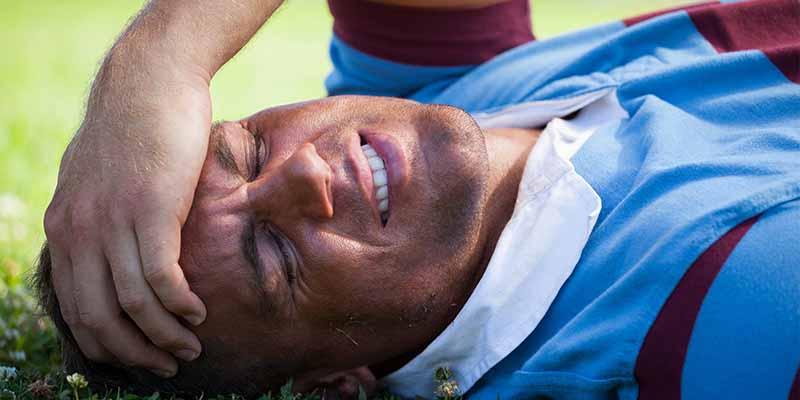
Slower reaction time may prevent athletes from bracing for impact, adjusting posture, or responding defensively during sudden collisions. These delays increase the likelihood that the head or neck absorbs force directly, raising concussion risk in both contact and non-contact sports.
Key ways sleep deprivation affects reaction time include:
- Slower visual processing when tracking fast-moving players or objects
- Delayed motor responses when attempting to dodge or protect oneself
- Reduced awareness of surroundings during chaotic game situations
These effects demonstrate how insufficient sleep can quietly undermine safety, even when an athlete feels physically capable.
The Impact of Poor Sleep on Athletic Performance
Athletic performance depends on more than strength and endurance. Balance, coordination, timing, and decision-making all contribute to safe and effective participation. Poor sleep quality disrupts these systems by increasing fatigue and reducing neuromuscular control.
When sleep deprivation becomes ongoing, performance declines may appear gradually. Athletes may experience subtle coordination issues, inconsistent technique, or difficulty maintaining focus throughout practices and games. These changes can increase the likelihood of improper movement patterns that place stress on the head and neck.
Common athletic performance issues linked to poor sleep include:
- Reduced balance and postural control during movement
- Increased clumsiness or mistimed physical responses
- Impaired judgment during high-pressure situations
Declines in athletic performance tied to sleep loss can elevate injury risk while also affecting confidence and consistency.
Sleep and Cognitive Processing in Young Athletes
Sports demand continuous cognitive engagement. Athletes must read plays, anticipate movement, judge distance, and respond to changing conditions in real time. Adequate sleep supports these cognitive processes by maintaining attention, working memory, and situational awareness.
Sleep deprivation reduces the brain’s ability to integrate visual and spatial information efficiently. This impairment can delay hazard recognition, making it harder for young athletes to detect incoming contact or adjust positioning in time. These delays may contribute directly to head impacts and concussion risk.
Cognitive effects of poor sleep in young athletes often include:
- Reduced focus during fast-paced gameplay
- Difficulty processing complex visual information
- Slower decision-making under pressure
Maintaining healthy sleep patterns supports clearer thinking and safer responses during athletic participation.
Why Young Athletes May Be Especially Vulnerable
Children and adolescents have higher sleep needs than adults because their brains and bodies are still developing. Sleep supports growth, learning, emotional regulation, and neurological development. When sleep is limited, the effects can be more pronounced in young athletes than in fully developed adults.
Early school start times, homework demands, evening practices, and screen use can all reduce total sleep duration. Over time, accumulated sleep deprivation may compound physical fatigue and cognitive impairment, increasing vulnerability to injury. Youth sports safety improves when sleep is recognized as a core component of athletic health rather than an optional recovery tool.
Factors that increase vulnerability among young athletes include:
- Ongoing brain development that heightens sensitivity to fatigue
- Inconsistent sleep schedules due to academic and training demands
- Limited awareness of how sleep affects injury risk
Addressing these vulnerabilities requires coordinated awareness among families, coaches, and sports programs.
Concussion Risk and Fatigue
Concussions often occur during moments when athletes cannot adequately prepare for impact. Fatigue increases the likelihood of these situations by slowing reactions and reducing protective reflexes. Tired athletes may fail to anticipate collisions or position their bodies to minimize force.
Sleep deprivation also affects neck muscle coordination and responsiveness. The neck plays a critical role in stabilizing the head during impact. Reduced muscle responsiveness can allow greater head movement when collisions occur, potentially increasing concussion risk.
Fatigue-related factors that influence concussion risk include:
- Reduced ability to brace for contact
- Slower defensive responses during collisions
- Decreased neuromuscular control of the head and neck
These factors highlight how sleep deprivation can amplify injury risk even in well-trained athletes.
Recognizing Signs of Sleep Issues
Sleep problems in young athletes are not always immediately obvious. Many teens adapt to chronic sleep deprivation by pushing through fatigue, masking underlying issues. However, certain behavioral and performance changes can signal inadequate rest.
Early recognition allows for intervention before sleep deprivation contributes to injury risk. Coaches, parents, and athletes themselves play an important role in noticing changes and addressing concerns.
Common signs of sleep issues include:
- Difficulty waking or persistent daytime sleepiness
- Irritability or mood changes unrelated to competition outcomes
- Declining athletic performance or increased clumsiness
Recognizing these signs helps prevent sleep deprivation from becoming normalized within youth sports culture.
Supporting Better Sleep for Youth Sports Safety
Improving sleep habits is an important and often overlooked aspect of injury prevention. Consistent routines support circadian rhythm stability, while balanced training schedules reduce cumulative fatigue. Sleep should be viewed as a foundational element of athletic preparation rather than a secondary concern.
Simple strategies can significantly improve sleep quality and support youth sports safety. These strategies do not require reducing commitment to sports but instead emphasize balance and recovery.
Effective sleep-supportive practices include:
- Maintaining consistent bedtimes and wake times
- Limiting screen exposure before sleep
- Allowing adequate recovery between training sessions
Prioritizing rest supports reaction time, coordination, and cognitive clarity, all of which contribute to safer participation.
Final Thoughts
Sleep issues may play a meaningful role in increasing concussion risk among young athletes. Sleep deprivation affects reaction time, athletic performance, and cognitive processing, all of which influence safety during sports participation. Because young athletes are still developing physically and neurologically, the impact of inadequate sleep may be especially significant.
Recognizing the connection between sleep and injury risk allows families, coaches, and sports programs to support healthier routines. Prioritizing rest alongside training and skill development strengthens youth sports safety while also improving athletic performance. Adequate sleep helps young athletes perform more effectively and reduces vulnerability to preventable injuries.