Bhutan is not a destination that urges speed or accumulation. It encourages attentiveness, patience, and awareness. Nestled in the eastern Himalayas between India and China, Bhutan approaches progress through the concept of Gross National Happiness rather than economic output. This philosophy quietly shapes daily life and, by extension, the visitor experience.
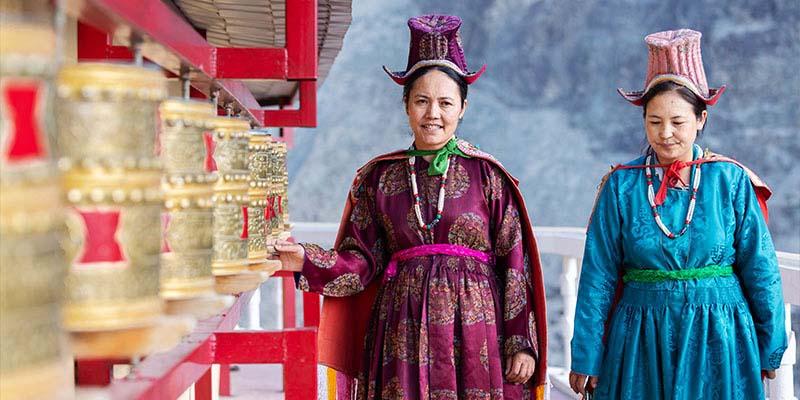
Travel here unfolds gradually. Moments feel intentional rather than scheduled, and meaning often comes from ordinary encounters rather than grand spectacles. From monasteries and mountain paths to shared meals and unhurried conversations, Bhutan reveals itself through presence and participation.
Begin Your Journey in Paro
For most travelers, Paro is the first point of entry into Bhutan. The valley feels open and composed, with traditional houses scattered across green slopes and prayer flags moving gently in the wind. Paro introduces Bhutanese life at a measured pace, offering space to adjust both physically and mentally.
Walking through town reveals everyday rhythms. Shopkeepers open their doors, locals gather for tea, and conversations unfold without urgency. Cafés such as Mountain Café offer familiar comforts within a distinctly Bhutanese setting, while small handicraft shops reflect the country’s strong link between creativity and livelihood.
Make Sure You:
- Walk through town without rushing between stops
- Sit at a café and observe daily routines
- Visit small local shops rather than larger outlets
- Notice traditional architecture in residential areas
- Allow yourself time to acclimate before moving on
Learn About Family and Food in Paro
Food in Bhutan often carries social meaning beyond nourishment. Restaurants such as Sonam Trophel offer traditional dishes like momos, thukpa, and ema datshi, but they also reveal family structures and generational continuity. Many establishments are family-run, reflecting a matriarchal inheritance system where women pass down land and homes.
Meals are rarely hurried. Conversations often accompany food, and hospitality feels personal rather than transactional. Dining becomes a window into how family, work, and community overlap.
Make Sure You:
- Ask about how dishes are traditionally prepared
- Eat at family-run restaurants when possible
- Take time between courses rather than rushing
- Observe how meals are shared socially
- Try at least one unfamiliar local dish
Explore Bhutanese History Through Art and Architecture
Paro’s cultural institutions offer insight into Bhutan’s worldview. The National Museum and Rinpung Dzong present history through art, symbolism, and spatial design rather than written explanation alone.
Mandalas, murals, and religious paintings function as teaching tools that explain ethics, balance, and life cycles. With a local guide, these spaces become narrative environments where history is transmitted orally, remaining fluid rather than fixed.
Make Sure You:
- Walk slowly through exhibits rather than scanning
- Ask guides about symbolism instead of dates
- Notice how architecture guides movement and focus
- Spend time in courtyards and transitional spaces
- Listen to stories rather than relying on labels
Pause at Dochula Pass
Dochula Pass lies between Paro and Thimphu and rises above cloud cover at key moments. The 108 chortens stand quietly against shifting weather, commemorating loss while encouraging acceptance. On clear days, Himalayan peaks appear; on others, they remain hidden.
Both conditions carry meaning. The pass reflects Bhutan’s understanding that value does not depend on clarity or control, but on presence.
Make Sure You:
- Step away from vehicles to stand quietly
- Spend time regardless of weather conditions
- Read about the significance of the chortens
- Resist rushing through for photographs only
- Allow the pause to reset your pace
Experience Thimphu Beyond Landmarks
Thimphu blends government, spirituality, and daily routines without sharp division. The Buddha Dordenma statue overlooks the city as a symbol of compassion, but much of Thimphu’s meaning appears in ordinary spaces.
Cafés such as Ambient reflect contemporary Bhutanese life. Students study, monks share meals, and conversations move easily between tradition and modernity. Observing these everyday interactions offers insight equal to visiting formal sites.
Make Sure You:
- Spend time in cafés frequented by locals
- Walk through residential neighborhoods
- Observe how tradition and modern life coexist
- Notice daily rituals rather than only monuments
- Allow unplanned moments to guide the day
Walk Through Gangtey Valley and Phobjikha
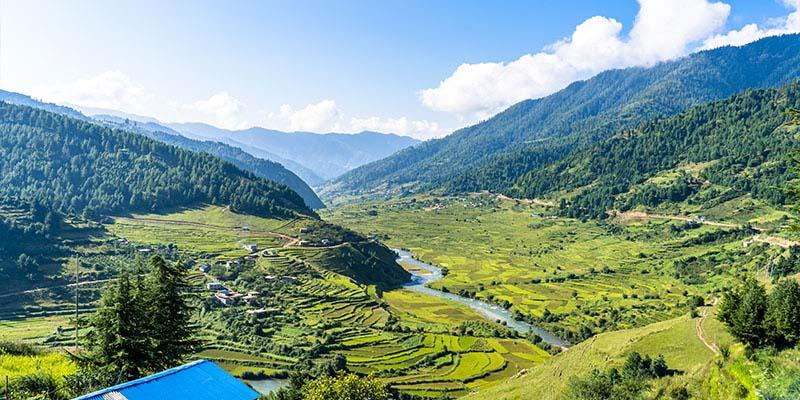
Bhutan’s environmental values become tangible in Gangtey Valley and Phobjikha Valley. These landscapes reflect conservation laws and long-standing respect for nature. Forests remain intact, and development follows strict guidelines.
Visits to wildlife centers and temples such as Khewang Lhakhang connect environmental protection with spiritual responsibility, illustrating how preservation is embedded in everyday practice.
Make Sure You:
- Walk rather than rely solely on vehicles
- Visit conservation centers to understand context
- Observe how villages integrate with landscapes
- Keep noise minimal in natural areas
- Treat the valley as lived land, not scenery
Visit Chimi Lhakhang
Chimi Lhakhang offers a different expression of Bhutanese spirituality. Dedicated to the Divine Madman, the temple embraces humor, symbolism, and unconventional teaching methods.
The walk through surrounding fields feels communal and grounding. This experience highlights how spirituality in Bhutan includes levity and accessibility alongside reverence.
Make Sure You:
- Walk the approach path mindfully
- Learn about the Divine Madman’s teachings
- Observe village life along the route
- Approach symbolism with openness rather than judgment
- Accept humor as part of spiritual expression
Spend Time at Punakha Dzong
Punakha Dzong sits between two rivers and balances scale with calm. Beyond its architecture, sitting among chanting monks often leaves a deeper impression than visual elements alone.
Here, happiness is described not as possession but as shared well-being. The atmosphere encourages reflection through stillness rather than instruction.
Make Sure You:
- Sit quietly during chanting sessions
- Observe interactions between monks
- Notice how space shapes behavior
- Spend time rather than moving quickly
- Reflect rather than document continuously
Attend a Cultural Festival
Festivals such as Paro Tsechu bring Bhutanese history into motion. Masked dances, music, and ceremonial clothing retell spiritual narratives passed down for centuries.
Families gather not as spectators, but as participants in a living tradition. The atmosphere emphasizes continuity rather than performance.
Make Sure You:
- Arrive early to find a respectful viewing spot
- Observe family interactions during the festival
- Learn the meaning behind dances and masks
- Dress modestly and appropriately
- Remain attentive rather than distracted
Hike to Tiger’s Nest Monastery
The hike to Tiger’s Nest Monastery is both physical and symbolic. The trail winds through pine forests and mist, gradually revealing the monastery clinging to the cliffside.
Reaching the site feels less like an accomplishment and more like arrival. The journey reinforces inward focus rather than external reward.
Make Sure You:
- Start early to avoid crowds
- Pace yourself rather than rushing
- Pause along the trail to rest and reflect
- Limit distractions during the ascent
- Allow the experience to unfold naturally
End With a Hot Stone Bath
A hot stone bath offers recovery and reflection. Heated river stones, mineral water, and medicinal herbs combine in a practice rooted in care rather than luxury. The experience closes the journey gently, offering rest after days shaped by walking and learning.
Make Sure You:
- Schedule the bath toward the end of your trip
- Allow enough time to relax fully
- Learn about the process from hosts
- Treat it as restoration, not indulgence
- Reflect quietly afterward
Conclusion
Bhutan does not invite consumption of experiences. It encourages attention, patience, and humility. Education and healthcare are free, communities are interconnected, and values guide decisions large and small.
Traveling here often reshapes ideas of fulfillment. Bhutan remains with visitors not because of how much they saw, but because of how fully they were present while seeing it.