Chest pain often creates immediate worry, even when the cause is mild or related to stress rather than a medical emergency. Many people experience chest pain anxiety because the chest is strongly associated with the heart, and any unfamiliar sensation can feel threatening. Anxiety can also intensify physical symptoms, which makes harmless discomfort seem sharper and more urgent. This cycle becomes confusing and frightening for people who already have heightened awareness of bodily sensations. Understanding how anxiety influences the body, learning about common causes of chest discomfort, and recognizing symptoms that require medical attention helps reduce fear and build confidence. With steady habits, clearer awareness, and supportive care, people can navigate chest discomfort with greater calm and understanding.
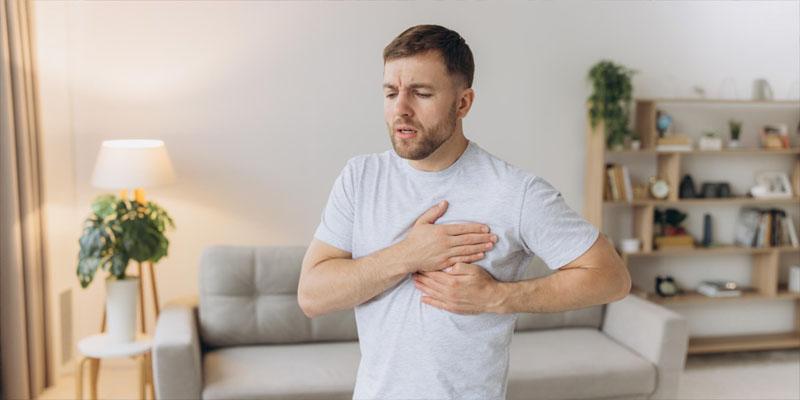
Understanding How Anxiety Creates Chest Pain
Anxiety activates the body’s stress response, which prepares muscles, breathing patterns, and circulation for quick action. When this system becomes overly sensitive, physical reactions appear in places that feel alarming, especially in the chest. Muscles tighten, breathing becomes shallow, and the heart beats faster as the nervous system attempts to manage perceived danger. These sensations often feel similar to symptoms associated with heart concerns, which increases fear and reinforces the cycle. Recognizing that anxiety can produce physical discomfort helps people respond with less panic. This understanding supports a clearer distinction between emotional triggers and truly concerning symptoms.
Common Causes of Chest Pain That Are Not Dangerous
Chest pain does not always reflect a heart problem. Many everyday factors can create discomfort that is uncomfortable but not harmful. Muscle tension is one of the most common causes. Stress, poor posture, long periods of sitting, or strenuous movement can tighten the muscles around the chest and ribs. This tension produces sharp or aching sensations that worsen with movement or pressure.
Digestive issues such as acid reflux or indigestion can also mimic heart discomfort. These sensations may include burning, pressure, or tightness in the chest, especially after meals or when lying down. Other non-emergency causes include inflammation of the rib cartilage, respiratory irritation, or rapid breathing associated with anxiety. Recognizing these possibilities helps reduce unnecessary worry and supports more balanced responses to discomfort.
A Closer Look at What Anxiety-Related Symptoms Usually Feel Like
Understanding anxiety symptoms vs heart symptoms gives people clearer reference points during moments of concern. Anxiety-related chest discomfort often appears suddenly during or after stressful thoughts or situations. It may feel like tightness across the chest, a squeezing sensation in the upper chest, or a brief sharp pain that shifts with breathing or movement. Anxiety may also cause a feeling of difficulty taking a full breath. This sensation often improves with slow breathing, gentle movement, or distraction. Anxious chest discomfort also tends to change in intensity rather than follow a steady pattern.
In contrast, more concerning symptoms may involve persistent pressure, heaviness, or pain that does not ease with rest, changing positions, or calming techniques. Pain radiating to the jaw, arm, back, or stomach can also signal a need for medical attention. Although people should not self-diagnose, recognizing general differences creates a stronger foundation for health anxiety management and allows people to respond with greater clarity.
Recognize How Anxiety Affects the Body

Chest tightness is a common physical reaction during anxiety because the body attempts to prepare for action through rapid breathing and increased muscle tension. When people understand this pattern, they become less reactive to the discomfort. Awareness reduces fear, which often softens the physical sensations themselves. This cycle helps people build confidence and interpret their experiences more calmly. Consistency in recognizing body patterns also eases the confusion that often arises when anxiety and chest discomfort appear at the same time.
Practice Slow, Steady Breathing
Calming the nervous system is one of the most effective ways to reduce anxiety-related chest discomfort. Slow breathing techniques help regulate the heartbeat, relax muscles, and restore a sense of control. Deep breathing also increases oxygen flow, which counters the effects of hyperventilation. When practiced regularly, these techniques become easier to access during moments of stress. Over time, steady breathing becomes a reliable approach for easing both the physical and emotional sensations associated with chest pain.
Pay Attention to Triggers
Identifying triggers strengthens the ability to manage anxiety. Emotional stress, lack of sleep, caffeine, overwhelming responsibilities, or periods of intense worry can all contribute to chest discomfort. When people reflect on their patterns, they begin to understand how certain daily experiences shape physical reactions. This awareness offers a sense of control and helps reduce the intensity of anxious responses. Recognizing triggers allows people to prepare for stressful moments with grounding techniques or supportive routines.
Use Supportive Self-Talk
Thought patterns strongly influence anxiety. Supportive self-talk helps redirect fearful thinking and reduces the immediate emotional impact of chest discomfort. Statements such as “This feeling will pass,” “I have experienced this before,” or “My body is responding to stress, not danger” promote emotional steadiness. Reassurance does not eliminate the discomfort entirely, but it reduces the spiraling thoughts that amplify symptoms. Supportive self-talk becomes more effective with consistency, especially when paired with breathing techniques and gentle movement.
Engage in Gentle Movement
Light physical activity helps interrupt the cycle of anxiety and muscle tension. Movement improves circulation, loosens tight muscles, and encourages deeper breathing. Stretching, walking, or rolling the shoulders gently can reduce discomfort and shift attention away from anxious thoughts. Movement also reinforces the understanding that the body is resilient and capable. People often notice that gentle activity helps restore comfort more quickly than remaining still and focusing on the sensation.
Know the Signs That Require Medical Attention
Although anxiety can cause intense chest discomfort, certain symptoms should always be taken seriously. People should seek immediate help if chest pain is accompanied by shortness of breath, fainting, dizziness, nausea, confusion, or pain spreading to the jaw, neck, arm, or back. Sudden heavy pressure or discomfort that does not improve with rest warrants urgent evaluation. Knowing these warning signs helps people act quickly when necessary while reducing unnecessary fear during anxiety-related episodes. Clear awareness strengthens both safety and emotional confidence.
Reach Out for Professional Support
Medical professionals can help clarify symptoms and rule out concerning causes. Speaking with a healthcare provider also brings reassurance when symptoms are related to tension or anxiety. Mental health professionals can support individuals who experience frequent cycles of health-related worry. Professional guidance helps people learn coping strategies, interrupt anxious patterns, and rebuild trust in their bodies. Support is especially helpful when fear becomes persistent, disrupts daily life, or leads to avoidance of normal activities.
Conclusion
Chest pain anxiety can feel overwhelming, yet education, awareness, and supportive habits help people respond with greater calm and clarity. Understanding how anxiety influences physical sensations, learning common non-emergency causes of chest discomfort, and recognizing warning signs reduces confusion during frightening moments. A thoughtful approach to symptoms helps people distinguish between emotional reactions and situations that require medical attention. With steady breathing, supportive self-talk, gentle movement, and professional guidance when needed, people can manage chest discomfort more confidently. These habits strengthen resilience, reduce fear, and help individuals navigate physical sensations with clearer understanding and steadier emotional balance.