It’s easy to feel lost in the flood of diet trends. One expert says to eat more protein, another swears by cutting carbs. But cardiologists see things differently. They focus on what truly supports your heart, the hardest-working muscle in your body. Every heartbeat depends on how well your blood flows, and that flow depends a lot on what’s on your plate.
A cardiologist studies how food choices influence heart health over time. High blood pressure, high cholesterol, and clogged arteries don’t appear overnight; they slowly build up from years of habits. That’s why the new heart-healthy diet guidelines highlight daily, realistic changes rather than short-term fixes. The goal is simple: help your heart work efficiently without extra strain.
Shifting From Diet Rules To Daily Patterns
One major change in the latest guidelines is moving away from strict diets. Instead, cardiologists want people to think in terms of eating patterns. It’s not about what you eat once in a while, but what you do most of the time.
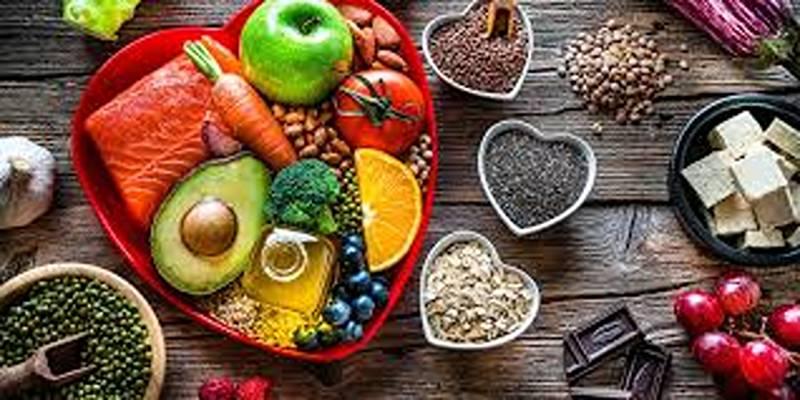
A heart-supportive diet focuses on the balance between whole foods, good fats, lean proteins, and fiber. These patterns give your body what it needs to regulate blood pressure, manage cholesterol, and reduce inflammation in the arteries. When these habits become normal, your heart stays healthier without feeling like you’re constantly “on a diet.”
The Power Of Whole And Natural Foods
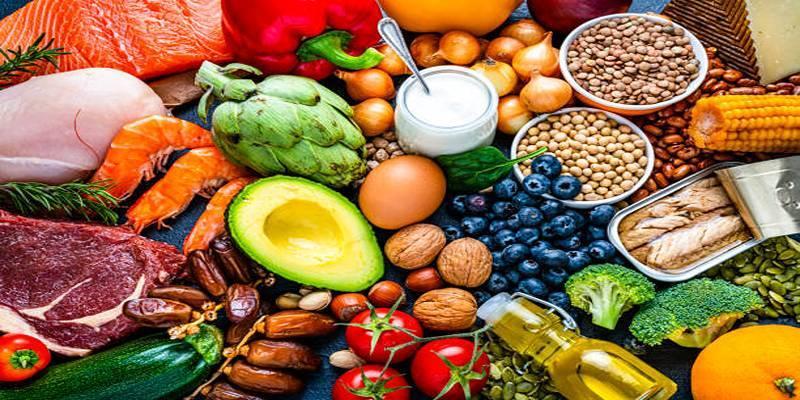
The strongest advice cardiologists share is to eat foods as close to their natural form as possible. Fruits, vegetables, whole grains, nuts, and legumes are filled with nutrients that help protect blood vessels and maintain a steady heartbeat. These foods provide fiber, antioxidants, and minerals that keep your cholesterol in check and your arteries flexible.
Whole foods work together like a well-rehearsed orchestra. When one section plays too loudly—like salt or sugar—the music becomes unbalanced. But when you eat a variety of natural foods, your heart’s rhythm stays steady.
Healthy Fats That Help Your Heart
For years, people were told to avoid fats altogether. Cardiologists now explain that this is outdated advice. Your heart actually needs certain fats to function well. The key is choosing the right kind.
Healthy unsaturated fats found in olive oil, avocados, and nuts can lower “bad” LDL cholesterol and support the “good” kind that clears plaque from arteries. Meanwhile, trans fats and excessive saturated fats, often in fried foods and packaged snacks, do the opposite—they thicken the walls of your arteries and slow blood flow.
Small daily swaps can make a real difference. Cooking with olive oil instead of butter, adding a handful of almonds instead of chips, or choosing grilled foods instead of fried are simple habits that protect your heart.
Reducing Salt Without Losing Flavor
Sodium is a quiet troublemaker in many diets. It hides in bread, sauces, soups, and snacks. Cardiologists often see how too much salt leads to high blood pressure, which forces the heart to work harder. Over time, this pressure weakens the heart muscle and damages arteries.
Instead of adding salt automatically, try tasting food first. Herbs, garlic, lemon juice, or pepper can replace salt while keeping food flavorful. Gradually, your taste buds adapt, and you’ll find natural foods taste richer than you remembered.
The Role Of Potassium And Fiber
Potassium is one of your heart’s best allies. It helps balance sodium and keeps blood pressure steady. Foods like bananas, oranges, spinach, and beans are excellent natural sources. Cardiologists often remind patients that getting potassium from food works far better than relying on supplements.
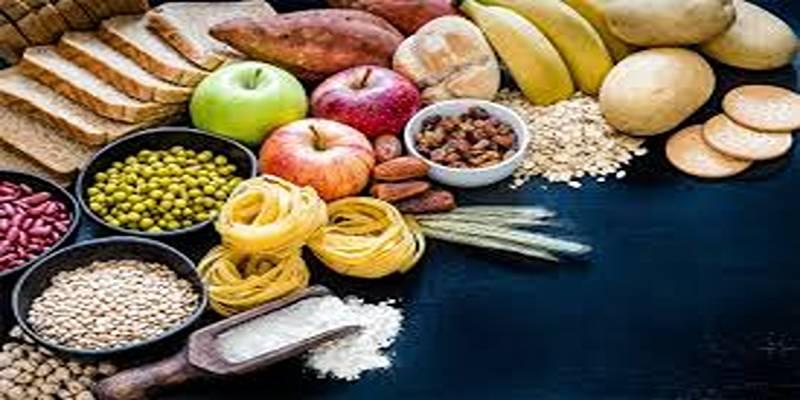
Fiber is another silent hero. It helps remove excess cholesterol from the bloodstream and improves digestion. Oats, beans, fruits, and vegetables all add fiber to your meals. People who regularly eat high-fiber diets tend to have lower cholesterol and better blood sugar control—two major factors in preventing heart disease.
Keeping Sugar In Check
Many people think heart problems come only from fatty foods, but sugar plays a big role too. Too much added sugar raises the risk of diabetes and weight gain, both of which strain the heart. Sugary drinks, processed snacks, and desserts are the biggest sources.
Cardiologists don’t say you must quit sugar completely. They simply suggest cutting back. Replacing soda with water or fruit-infused water and choosing fruit instead of pastries can go a long way. These small, steady changes help your body manage insulin better and reduce inflammation.
Choosing The Right Sources Of Protein
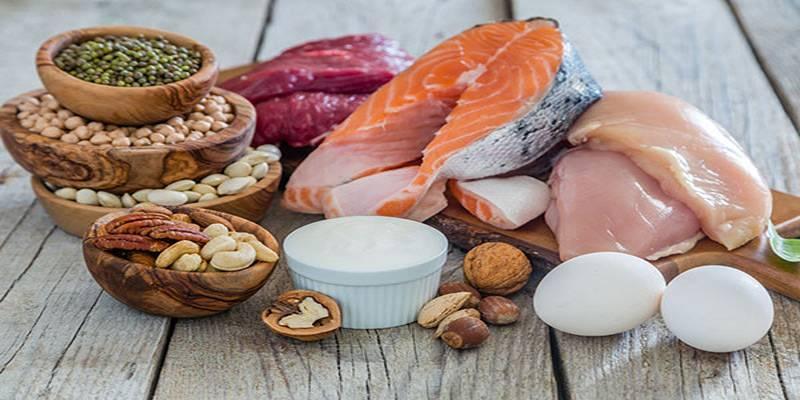
Protein is vital for muscle repair, including your heart muscle. But where you get it from makes a difference. Cardiologists encourage people to lean toward fish, poultry, beans, lentils, and tofu. Fish such as salmon, trout, or sardines contain omega-3 fats that help keep heart rhythms steady and support healthy blood vessels.
Red meat can still fit into a balanced diet, but portion size matters. Lean cuts, eaten occasionally, are fine. What matters most is variety and moderation.
Hydration And Lifestyle Go Hand In Hand
Your heart depends on good hydration to pump blood smoothly. When the body is short on water, blood becomes thicker, and the heart must work harder. Drinking enough water each day helps circulation and keeps energy levels stable.
Cardiologists often remind people that food is just one part of a larger picture. Exercise, sleep, and stress all influence heart health. Eating well supports these other habits. A balanced diet gives you the energy to stay active, sleep deeply, and handle stress better.
Conclusion
Cardiologists want you to understand that heart health starts in the kitchen. Whole foods, colorful produce, lean proteins, healthy fats, and less salt and sugar form the foundation of a strong heart. You don’t need extreme diets or fancy supplements—just steady, balanced choices.
Over time, your heart rewards you with energy, endurance, and peace of mind. Healthy eating is not about restriction but about nourishment that keeps your heart working faithfully for a lifetime. A healthier heart begins with every mindful bite you take today.