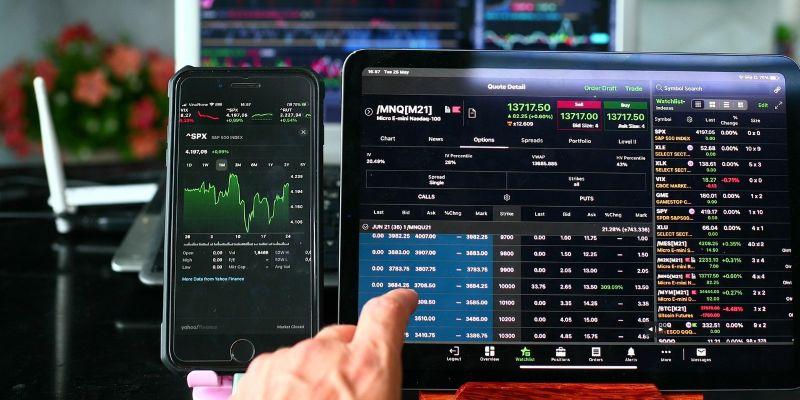
You love familiar brands. We all do. But the market at home only tells part of the story. Whole sectors live abroad. Different cycles. Different rules. Sometimes better prices. When you look outside your zip code, you open more paths to growth and steadier risk. Not because foreign sounds fancy. Because numbers line up.
Think of it like food. You eat the usual, you miss flavors that make the meal. International stocks add those missing notes. You get industries that your market underweights. You get companies that print cash but don’t trend on your feed. We don’t chase flags. We hunt quality, value, and clean cash flow. If it lives in Tokyo or Zurich, great. If it sits in Toronto, also great. We want results, not souvenirs.
The Myth Of “Set And Forget” Global Funds
Global index funds look easy. You click buy and walk away. The catch? Most track market cap, so they load up on yesterday’s winners and crowded sectors. You think you own the world. You mostly own a handful of mega caps tied to one story.
Country weights also swing with hot money. Japan pops, weight jumps. China slumps, weight shrinks. That shift changes your risk without your input. You didn’t choose the tilt. The index did. Your results follow the herd, not your plan.
Quality gets buried in the mix. A great Danish insulin maker rides with a struggling bank. A cash-rich Taiwan chip supplier sits next to a levered conglomerate. The fund owns both. You wanted diversification. You got a blind bundle that drifts wherever flows pull it.
What Actually Drives Returns Overseas
Overseas returns still come down to a simple trio. Earnings grow. Valuations move. Currencies swing. If a company grows earnings faster than expected, the price follows. If a market re-rates from cheap to fair, multiples expand. If both happen, you win twice. That engine works in Tokyo, Paris, and Mumbai.
Currency can help or hurt. A stronger dollar cuts your return when you bring gains home. A weaker dollar boosts it. You don’t need to predict currencies. You just need to respect them when sizing positions and setting expectations. Big currency noise with thin margins can turn a good pick into a headache.
Local rules matter. Clean audits, minority protections, and real buybacks support multiples. State control, surprise taxes, or capital controls crush them. We watch payout habits, related party deals, and board independence. That boring stuff decides whether earnings turn into cash in your pocket or vanish into the corporate maze.
Where To Look First: Quality, Cash, And Cheap

Start simple. We want durable profitability. Ten years of positive returns on invested capital beats a slick narrative. Then check the balance sheets. Low net debt gives room to breathe when cycles wobble. Next, look at free cash flow. Not one good year. A streak that leaves cash after real investment.
Then price it. We like reasonable, not fairy tales. Use cash-based multiples like EV to free cash flow. Compare to history and peers. If margins look cyclical, normalize them. If a stock trades below its own past while the business improved, that’s a live lead. If it trades above perfection, walk.
Add a quick moat check. Global brands with pricing power. Networks with switching costs. Niche industrials that own a step in the supply chain. We pair that with aligned incentives. Insider ownership. Sensible buybacks. Plain disclosures. When quality, cash, and price click together, the country becomes a detail, not the thesis.
Signals That Save You From Trouble
Start with policy risk. Sudden tariffs, capital controls, or surprise taxes hit faster than earnings can adjust. Scan headlines, regulator sites, and local investor forums. If management changes guidance after every policy blip, walk. Watch accounting too. Late filings, qualified audits, and swollen receivables usually point to future write-downs.
Check how a company treats shareholders. Frequent equity raises to plug holes signal weak cash engines. Fancy “investments” with related parties often siphon value. Dividend cuts paired with executive pay hikes tell you the story. Track trading volume and funding sources. When hot money pumps a thin stock, exits shrink right when you need them.
The Hidden Price Tag: Taxes, Fees, And Frictions
Your return lives after costs. Withholding taxes on dividends vary by treaty. Some countries take a big bite and reclaim forms move slowly. Expense ratios compound, too. A 1 percent fee sounds small. Over the years, it drags like an anchor. We choose cheaper share classes when the structure is the same.
Currency costs sneak in. Wide spreads and conversion fees shave points you never see. Brokers also route foreign trades through market makers who widen quotes. Use limit orders. Trade during the local market’s active hours. Favor funds that handle currency smartly. Small choices add up to a real edge.
A Simple Way To Build Your Watchlist
Pick three to five countries. Not twelve. Start with a stable rule of law and clear reporting. Then set screens that fit your playbook. High return on capital. Low net debt. Positive free cash flow over five years. Reasonable valuation on EV to free cash flow. Save the top twenty names.
Now build a light routine. Read quarterly reports. Track earnings dates and currency trends. Note one or two local macro markers like inflation or rate moves. Write a two-line thesis for each name and one kill rule. If the thesis breaks, you sell. No drama. The list stays clean and useful.
Two Quick Snapshots: Developed Vs. Emerging
Developed markets feel cleaner. You get tighter accounting, steadier rules, and deeper liquidity. The trade leans boring in a good way. You hunt quality compounders at fair prices, then wait. Currency swings still bite, but surprises hit less often. Your edge comes from patience, not adrenaline.
Emerging markets move faster. Growth pops, but rules shift. You price more policy risk and more currency noise. You want stronger balance sheets, local champions with real moats, and management that respects cash. You size smaller, demand cheaper entry points, and keep a clear sell trigger. You chase asymmetry, not headlines.
Putting It Together Without Overthinking It
Keep the playbook simple. Size positions by conviction and risk. Bigger for proven cash engines. Smaller for fresh ideas or jumpy currencies. Set a fixed rebalance date. Trim winners back to target. Add to laggards only if the thesis still works. No gut calls on random Tuesdays.
Write the thesis on a sticky note. One line for why it wins. One line for what kills it. Track earnings, payout habits, and any rule changes. If the kill rule hits, you exit. We repeat the routine, not the drama. That rhythm compounds better than any hot tip.