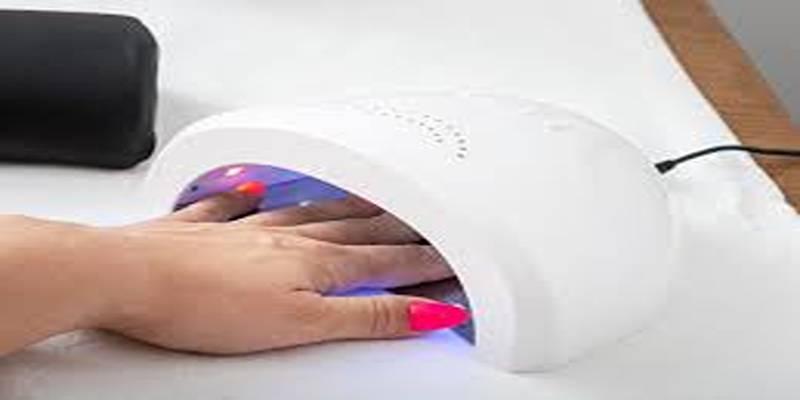
Many people enjoy a fresh gel manicure because it feels like a small treat at the end of a long week, yet there is a growing conversation about the lamps used to dry those glossy layers. These machines look harmless, and the process feels quick, but they create ultraviolet light. This type of light is strong enough to reach deep layers of skin. Once it gets there, it can harm cells in ways that raise questions for scientists who study long-term skin health.
The machines used in salons fall into two broad types. One uses traditional ultraviolet bulbs. The other uses bulbs that are often described as LED, though they still create ultraviolet light in a slightly different pattern. Both types sit close to the skin and bathe the fingers in steady light for a short period. That short period feels small, yet the cells in the skin react to the exposure. Those reactions are the reason researchers continue to study the link between these lamps and later health problems.
Because the term skin cancer can sound frightening, people want clear and simple answers. The truth is that research is still ongoing, but enough information exists to help people understand the risks in a calm and practical way. The goal is not to scare anyone, but to help them make choices based on facts rather than guesswork.
How UV Exposure From Nail Lamps Affects the Skin?
The skin has a surprisingly delicate structure, even though it protects the body every day. When ultraviolet light hits it, the energy goes straight into the cells. This energy can change how cells repair themselves. In some cases, it can damage DNA inside the cells. When the DNA repair process becomes irregular, mistakes can form, and repeated mistakes over time can create bigger problems.
Scientists have looked at what happens when skin cells in a lab are placed under ultraviolet nail lamps. The results show a clear pattern of harm. Some cells lose their ability to repair themselves correctly. Others stop working altogether. DNA strands can break or twist in unusual ways, leaving the cell confused about what to do next. These patterns are similar to the early steps of changes found in certain skin cancers.
It is worth noting that the light from these lamps is not the same strength as a tanning bed. Still, UVA rays linger longer in the skin and reach deeper layers. Even a short session gives those rays time to create small pockets of damage. The skin can recover from some of it. The concern grows when someone repeats this routine often. Every session adds to the total dose the skin receives, and the skin never truly forgets this history.
Why Frequency Plays a Large Role in Risk?
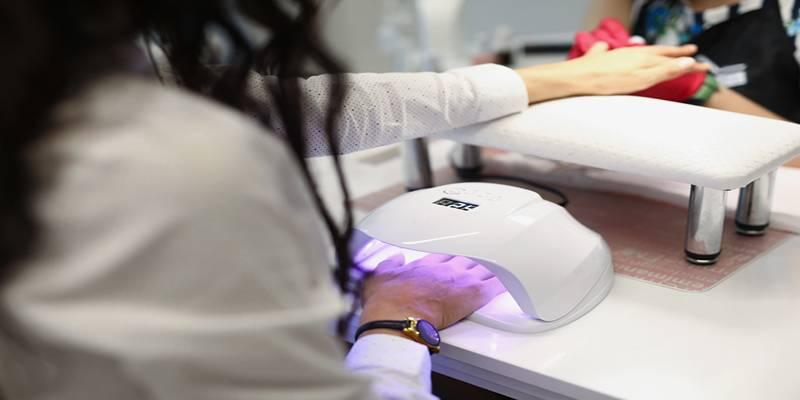
A single manicure is unlikely to cause serious harm. The body can usually handle rare exposures. The problem grows when exposure becomes regular and predictable. Many people who enjoy gel manicures return every two weeks. The skin on their hands meets the same light over and over again across months and years. This pattern builds what experts describe as cumulative exposure.
Cumulative exposure works like slow drops of water landing on the same spot. One drop is nothing. Many drops over time start to change the surface. The same idea applies here. Even if the lamp does not feel hot and the exposure feels short, the cells inside the skin gather these small hits of energy again and again. Each hit brings a chance of DNA errors that may stack.
This idea is especially important for people who already know they are sensitive to sunlight. Some people burn easily. Others have a history of conditions related to sunlight. Some take medicines that make their skin react strongly to ultraviolet light. When a person has these traits, the risk from frequent manicures can be higher.
What Research Says About the Link to Skin Cancer?
Ultraviolet nail lamps can cause biological changes in skin cells that resemble early patterns seen in melanoma and other skin cancers. Studies show DNA mutations, oxidative stress, and cellular damage after exposure, especially when exposure is repeated. Experiments that mimic real manicure schedules have found increased cell distress, including problems with cell division and cell death, indicating the skin is experiencing more than simple tanning or warming.
Dermatologists generally describe the risk as low but real, with cumulative exposure increasing concern. People who regularly get gel manicures are not advised to stop entirely, but experts recommend awareness and protective steps, since repeated UV exposure is known to contribute to long-term skin damage.
Ways To Lower Exposure
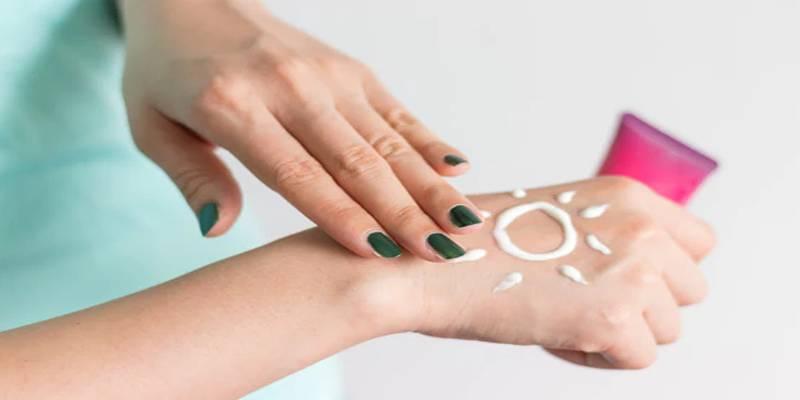
People who enjoy gel nails can still protect their hands in simple ways. Many dermatologists recommend applying a broad spectrum sunscreen on the hands before a manicure. This gives the skin a small shield against the rays. Others suggest fingerless gloves made with fabric that blocks UV. These gloves leave the nail uncovered for curing while keeping the rest of the hand protected.
Some people choose regular polish that dries without light when they want a break from gel. Others keep their gel sessions for special moments rather than routine visits. These steps do not require much effort. They give people a way to enjoy polished nails without feeling uneasy about the lamp sitting in front of them.
Conclusion
The lamps used in gel manicures are small, but their ultraviolet light reaches deep into the skin and can affect how cells repair themselves. The chance of serious harm from rare use seems low, yet frequent exposure builds a history the skin never fully forgets.
Research shows that the light can damage DNA and stress cells in ways that resemble the early steps of skin cancer. This information does not mean people must give up gel manicures. It simply helps them make thoughtful choices. A few protective habits, shorter exposure times, and regular checks of the skin can make a real difference.