The Australian Outback is one of those places that feels both wild and calm at the same time. It stretches across most of the country’s heart, far from the big cities and coastal towns. What makes it stand out is its quiet, endless beauty. The red earth, glowing sunsets, and peaceful air make you feel small in the best way possible. The Outback is not just one single place; it’s a whole region made up of deserts, scrublands, dry plains, and rocky ridges that seem to go on forever.
When people think of Australia, they often picture kangaroos hopping through open land or dusty roads that cut through red soil under a huge sky. Those pictures aren’t wrong. The Outback really is that kind of place. But it’s not empty or lifeless. It’s full of surprises once you slow down enough to see them. There are tiny flowers that bloom after rain, birds that glide across clear skies, and small communities that survive on shared effort and strong spirit.
What Makes The Outback So Special?
What sets the Outback apart is its raw, untouched feeling. Life moves slowly here. You might drive for hours without passing another car, yet every mile tells a story. The horizon feels wider, the silence deeper, and the stars brighter than you ever imagined. The land changes shape and color with every hour of sunlight. Morning light brings out pale oranges, while late afternoons turn everything into a glowing red canvas.
Despite how isolated it seems, people have made a life here for generations. Small towns dot the map, often built around mining, cattle stations, or service stops for travelers. Places like Alice Springs, Coober Pedy, and Broken Hill stand as proof of how humans can adapt to hard conditions when they truly respect their surroundings.
Landscapes That Stay With You
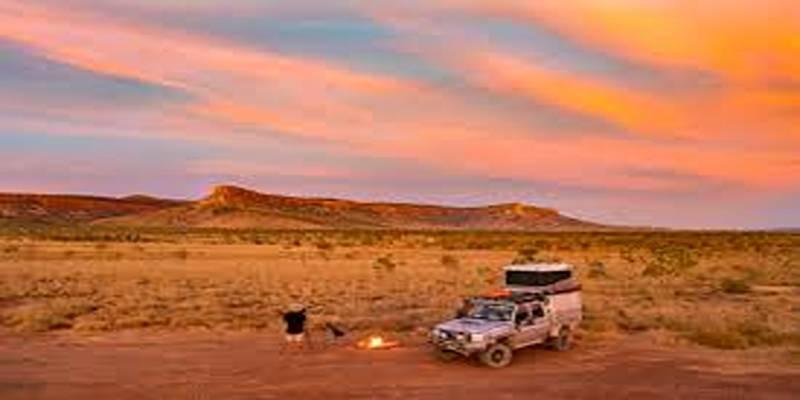
Traveling through the Outback feels like stepping into a painting that never ends. The red sand deserts blend into flat plains covered in spinifex grass. Distant ranges rise from the ground, their edges shaped by wind and time. Rivers are often dry, yet when rain comes, they come to life, filling channels and small waterholes that attract birds and animals.
You can visit landmarks such as Uluru, also called Ayers Rock, which glows like fire during sunrise and sunset. Not far from it lies Kata Tjuta, a group of rounded rock domes that create deep valleys and narrow passages for hikers. Further north, the MacDonnell Ranges stretch for hundreds of kilometers, offering walking tracks, gorges, and natural pools that give you a sense of calm that’s hard to find elsewhere.
The Outback is not only a desert. Northern areas around Katherine and Kakadu have wetlands and rugged cliffs, while the southern regions closer to South Australia hold salt lakes and dry basins that shimmer like mirrors in the heat. Every part has its own rhythm and charm.
Life Among The Heat And Dust
The Outback climate can surprise you. Daytime can feel scorching, especially in summer, with temperatures often rising above 40°C. Nights, on the other hand, can be chilly, and in winter, you might even see frost on the ground in some areas. Because of these changes, travelers often plan trips around the cooler months, between May and September, when conditions are more forgiving.
The land may look harsh, but plants and animals have found ways to live with little water. Eucalyptus trees and hardy shrubs survive through deep roots and small leaves that trap moisture. Kangaroos, emus, and dingoes wander across open ground, while wedge-tailed eagles circle above, looking for movement below. Lizards sunbathe on warm stones, and tiny frogs appear after rain, reminding you that even dry places hold life if you pay attention.
Meeting The People Of The Outback
Communities in the Outback are few and far between, but they are welcoming and proud of their way of life. Many are involved in cattle farming, mining, or tourism. They depend on one another because living so far from city comforts means cooperation is part of daily life.
Aboriginal communities have lived in these lands for tens of thousands of years. They understand the seasons, the plants, and the paths better than anyone else. Their stories, art, and traditions are closely tied to the land. If you visit cultural centers or meet local guides, you’ll find they share knowledge that adds depth to your journey — not as a lecture, but as a way of connecting you to the land’s spirit.
Planning Your Outback Adventure
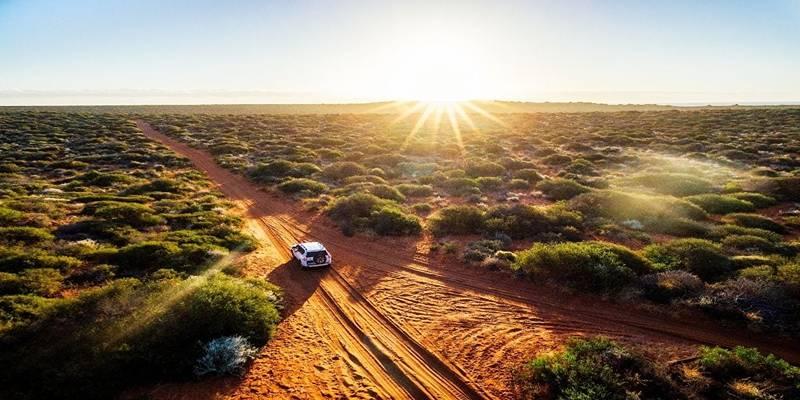
Traveling in the Outback is unlike a regular road trip. Distances are long, services are spread out, and roads can be rough. A four-wheel-drive vehicle is often the best choice, especially if you plan to explore tracks that go deep into national parks or desert areas. It’s smart to carry spare fuel, plenty of water, and food in case you get delayed.
Maps and GPS are helpful, but don’t rely entirely on mobile phones because coverage fades fast once you leave main roads. Many travelers tell someone their route and expected return time before heading out, which is a simple but important safety habit. The best times to drive are early mornings and late afternoons when the light is softer, and animals are easier to spot before they cross the road.
Conclusion
Exploring the Australian Outback is not about ticking sights off a list. It’s about slowing down, breathing in the dry air, and letting the land tell its quiet story. Every sunrise feels like a fresh start, and every night sky leaves you humbled. With some planning, patience, and care, you can travel through this remote wilderness safely and come away with memories that stay with you long after you’ve left the red dust behind.
The Outback doesn’t shout for attention — it quietly invites you to listen. Each road, each horizon, and each pause under the stars becomes a reminder of how peaceful simplicity can be. It’s not just a trip; it’s a gentle lesson in appreciating stillness and the beauty of untouched nature.