Many people tense up the moment the word colonoscopy enters a conversation. It brings images of medical prep, unfamiliar equipment and a long appointment that feels far from pleasant. Screening is still important because it helps spot early changes that rarely cause symptoms in the beginning. The encouraging part is that colonoscopy is only one of many screening tools available today.
Several options feel easier, more relaxed or simply more fitting for people who want something gentler. Some tests can be done at home, others use imaging, and a few rely on basic lab work. These choices help people stay consistent with screening instead of postponing it year after year.
Stool Tests You Can Do At Home
Stool based testing remains popular because it fits into everyday life without requiring a clinic visit. The fecal immunochemical test is the option people hear about most often since it checks for tiny traces of blood that may signal early changes.
The process is simple, and people usually complete it in a short moment at home. When done once a year, it offers meaningful protection, especially for people who prefer privacy during screening. The stool DNA test takes things a step further by looking not just for blood but also markers shed by abnormal cells. This extra layer of detail helps catch issues that might be missed otherwise.
It is repeated every few years instead of annually, which many find easier to keep up with. Even the older fecal occult blood test still appears in some clinics, giving people one more option when they want something simple and noninvasive.
Imaging Tests for Colon Screening
Imaging tests appeal to people who want screening without handling stool samples. CT colonography creates detailed pictures of the colon using CT scanning, giving a wide look at structures inside. The prep is still needed, but the appointment tends to move quickly and does not require sedation. People often say it feels more comfortable than they expected.
If something shows up on the scan, a standard colonoscopy is still needed to remove or examine it, yet many feel relieved to start with a less invasive step. Flexible sigmoidoscopy offers another route by checking only the lower portion of the colon with a shorter scope. The prep is lighter, and the appointment is brief. While it does not evaluate the entire colon, it still helps catch meaningful changes, especially when paired with a stool test.
Swallowable Capsule Camera Screening
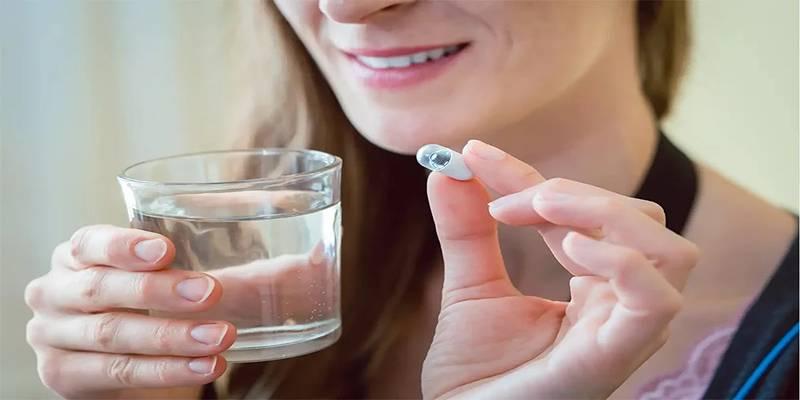
Capsule endoscopy gives a very different experience since it involves swallowing a capsule that contains a tiny camera. Many pictures are taken as it moves through the digestive system and sent to a recorder worn on a belt.
People appreciate that there is no sedation involved and no scope used during the process. While it is most commonly used to evaluate the small intestine, newer versions are being tested for full colon screening. It may not be the first choice for every person, yet it offers an option for those who find traditional procedures extremely uncomfortable or medically unsuitable.
Simple Blood Draw Screening Option
Another approach gaining interest is serum based screening, which uses a basic blood draw to look for markers linked with early changes. People like that the process feels familiar and does not involve prep or handling samples at home. This type of test does not replace imaging or a colonoscopy, but it provides a comfortable first step for people who have delayed screening for years.
It can help reduce anxiety and create a path toward more regular health checks. Many people feel that a simple blood draw is far easier to commit to, making it a useful bridge toward long term screening habits.
M2 Pyruvate Kinase Testing In Stool Samples
Some clinics offer a test that checks for an enzyme known as M2 pyruvate kinase. This enzyme can appear when cells start behaving abnormally. Even though it uses a stool sample like other at home options, it searches for a different type of clue.
People who want something noninvasive but feel uncertain about other tests sometimes choose this option because it offers another biological angle. It is not as widely available as FIT or stool DNA tests, yet it has been gaining attention in settings where clinics want to expand screening choices.
X Ray Imaging With Barium Contrast
The double contrast barium enema is an older imaging method that still finds a place in some clinics and hospitals. It uses a contrast material that outlines the colon, followed by X-ray images that reveal its shape.
While CT colonography has generally taken over because it offers clearer pictures, this method still appears when more advanced imaging is not available. People often describe it as manageable once they know what to expect. It can help identify changes that need further evaluation and give patients another path when other tests are not an option.
MRI Screening Without Radiation
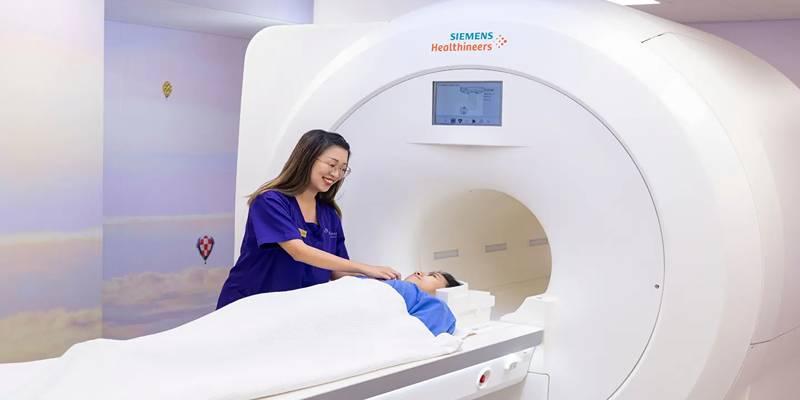
MRI colonography offers a way to look inside the colon without using radiation. It uses magnetic resonance imaging to create detailed images that can reveal growths or irregularities. This can appeal to people who prefer to avoid radiation or who already undergo frequent imaging for other health conditions.
It sometimes takes more time and may require access to specialized equipment, but when available, it gives people a comfortable alternative. The idea of lying inside an MRI machine can feel strange, yet many find the experience easier than they imagined.
Conclusion
Colonoscopy remains the most complete tool for finding and removing polyps, yet many people feel relieved to learn that several other options exist. Whether someone prefers a home stool test, an imaging appointment, a swallowable capsule or a simple blood draw, each method supports early detection when used on a proper schedule.
The best choice is the one a person feels comfortable completing regularly. When screening becomes steady and part of normal health care, it plays a strong role in catching changes early. Talking with a trusted doctor helps match the right method to personal comfort and everyday life.