Insect and arthropod stings are common occurrences that affect people of all ages and lifestyles. These encounters can happen during outdoor activities, inside homes, at work, or while traveling. While many stings result in mild and temporary discomfort, others can cause more intense reactions that require careful attention. Understanding how stings occur, how the body responds, and what first aid care involves helps reduce anxiety and supports safer outcomes.
Insect stings and arthropod bites are often discussed together, yet they affect the body in different ways. Clear knowledge allows individuals to recognize typical sting reactions, respond appropriately, and know when medical care may be necessary.
What Counts as an Insect or Arthropod Sting
Insects and arthropods include a broad group of species such as bees, wasps, hornets, ants, spiders, ticks, mosquitoes, fleas, and mites. Insect stings usually involve the injection of venom through a stinger, while arthropod bites often involve puncturing the skin and introducing saliva or other substances.
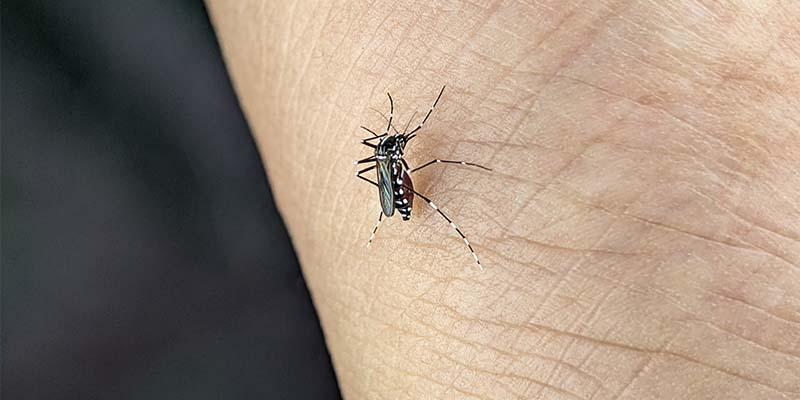
Venom-based insect stings typically cause immediate pain and localized inflammation. Arthropod bites may cause delayed itching, redness, or swelling, sometimes appearing hours after contact. Understanding this distinction helps guide first aid care and expectations for symptom development.
Not all encounters result in visible injury. Some arthropod bites may be painless at first, while others produce noticeable irritation quickly. Awareness of exposure history and symptom timing supports accurate identification.
How the Body Responds to Stings
The body’s response to insect stings and arthropod bites is influenced by immune sensitivity, location of the sting, and the amount of venom or saliva involved. Most reactions represent the immune system responding to foreign substances introduced through the skin.
Local inflammation is the most common response. Blood vessels expand, fluid accumulates, and immune cells move to the area, causing redness, warmth, swelling, and discomfort. These sting reactions are usually self-limited and improve within hours or days.
Some individuals experience stronger local reactions due to heightened immune sensitivity. While uncomfortable, these reactions typically remain confined to the area surrounding the sting or bite.
Common Sting Reactions
Most insect stings cause mild to moderate local reactions. Symptoms often include pain at the site, redness, swelling, itching, or a burning sensation. These reactions usually peak within the first day and gradually subside.
Large local reactions may involve swelling extending beyond the immediate area of the sting. For example, a sting on the hand may cause swelling across the entire hand or forearm. Although these reactions can appear concerning, they are generally not dangerous and respond to basic care.
Arthropod bites such as mosquito bites commonly produce itching rather than pain. Scratching can worsen irritation and increase the risk of infection, making symptom management an important part of recovery.
Allergic and Severe Reactions
A small percentage of people experience allergic reactions to insect stings. These reactions occur when the immune system responds excessively to venom. Symptoms may include widespread hives, swelling of the lips or face, difficulty breathing, dizziness, or nausea.

Severe allergic reactions require immediate medical attention. Prompt recognition and response are critical. Individuals with known allergies should carry prescribed emergency medication and inform companions about their condition.
It is important to note that allergic reactions can occur even if previous stings caused only mild symptoms. Awareness and preparedness support safety.
First Aid Care for Insect Stings
Providing timely first aid care helps reduce pain, swelling, and the risk of complications. The first step involves assessing the area and determining whether a stinger is present. In some insect stings, the stinger remains embedded in the skin and should be removed promptly.
Cleaning the area with mild soap and water reduces the risk of infection. Applying a cold compress helps limit swelling and numbs discomfort. Elevating the affected area may also reduce swelling.
Avoiding scratching supports healing. Scratching can break the skin and introduce bacteria, increasing infection risk. Over-the-counter products may help relieve itching or inflammation when used according to instructions.
Managing Arthropod Bites
Arthropod bites often cause itching and localized irritation rather than sharp pain. Cleaning the bite area and monitoring symptoms supports recovery. Cold compresses may reduce swelling and discomfort.
Tick bites require special attention due to the potential for disease transmission. Proper removal using fine-tipped tools helps prevent further exposure. Monitoring the bite site and general health in the days and weeks following a tick bite supports early detection of complications.
If symptoms persist or worsen, medical evaluation may be appropriate. Awareness supports timely care.
Infection Risk and Warning Signs
Although most stings and bites heal without issue, infection can occur if bacteria enter the skin. Signs of infection may include increasing redness, warmth, swelling, pain, or drainage from the site. Fever or general discomfort may also appear.
Prompt medical assessment supports appropriate treatment. Early care reduces the risk of complications and supports faster recovery.
Practicing good hygiene and avoiding skin damage help reduce infection risk following insect stings and arthropod bites.
Preventing Insect and Arthropod Stings
Prevention plays an important role in reducing exposure to insect stings and arthropod bites. Wearing protective clothing, such as long sleeves and closed shoes, helps limit skin exposure in outdoor environments.
Using repellents according to instructions can reduce insect contact. Avoiding areas with visible nests or high insect activity supports safety. Keeping food covered during outdoor activities helps prevent attracting stinging insects.
Maintaining clean living spaces reduces indoor encounters. Sealing entry points and managing waste help limit insect presence in the home.
Environmental and Seasonal Factors
Insect activity varies by season and environment. Warmer months often bring increased exposure to bees, wasps, mosquitoes, and ticks. Understanding seasonal patterns helps individuals take appropriate precautions.
Geographic location also influences risk. Different regions host different insect species with varying behaviors and health implications. Awareness of local conditions supports informed prevention strategies.
Supporting Children During Sting Encounters
Children may respond strongly to insect stings due to fear, pain, or unfamiliar sensations. Calm reassurance helps reduce distress. Prompt first aid care supports comfort and recovery.
Teaching children to avoid swatting at insects, disturbing nests, or approaching unfamiliar animals reduces risk. Education supports safer behavior without creating fear.
Monitoring children closely following stings helps ensure appropriate response if symptoms change.
Considerations for Sensitive Individuals
Individuals with sensitive skin, chronic conditions, or compromised immune systems may experience stronger reactions to stings and bites. Extra caution and attentive care support comfort and safety.
Consulting healthcare providers about preventive measures or response plans may be helpful for those with known sensitivities.
Travel and Outdoor Activity Considerations
Travel exposes individuals to unfamiliar insects and arthropods. Researching regional risks and recommended precautions supports preparedness. Packing basic first aid supplies allows timely care when needed.
Awareness of local medical resources helps travelers respond effectively if symptoms develop while away from home.
Psychological Impact of Stings
Fear and anxiety often accompany insect stings, especially in children or those with past negative experiences. Clear information and calm responses help reduce emotional distress.
Understanding that most sting reactions are manageable supports confidence and prevents panic. Education plays an important role in emotional reassurance.
When to Seek Medical Care
Medical care should be sought if symptoms worsen, allergic reactions occur, or signs of infection develop. Difficulty breathing, swelling of the face or throat, chest tightness, or dizziness require immediate attention.
Persistent pain, fever, or expanding redness also warrant evaluation. Knowing when to seek help supports safer outcomes.
Final Thoughts
Insect stings and arthropod bites are common experiences that are usually manageable with basic knowledge and first aid care. Understanding typical sting reactions helps individuals respond calmly and appropriately. Most encounters resolve without complication when addressed promptly.
By practicing prevention, recognizing warning signs, and knowing when medical care is needed, individuals can reduce discomfort and respond effectively to insect stings and arthropod bites. Awareness and preparation support confidence and safety in everyday situations.